
Common Asphalt Crack Types in Indiana and What They Signal
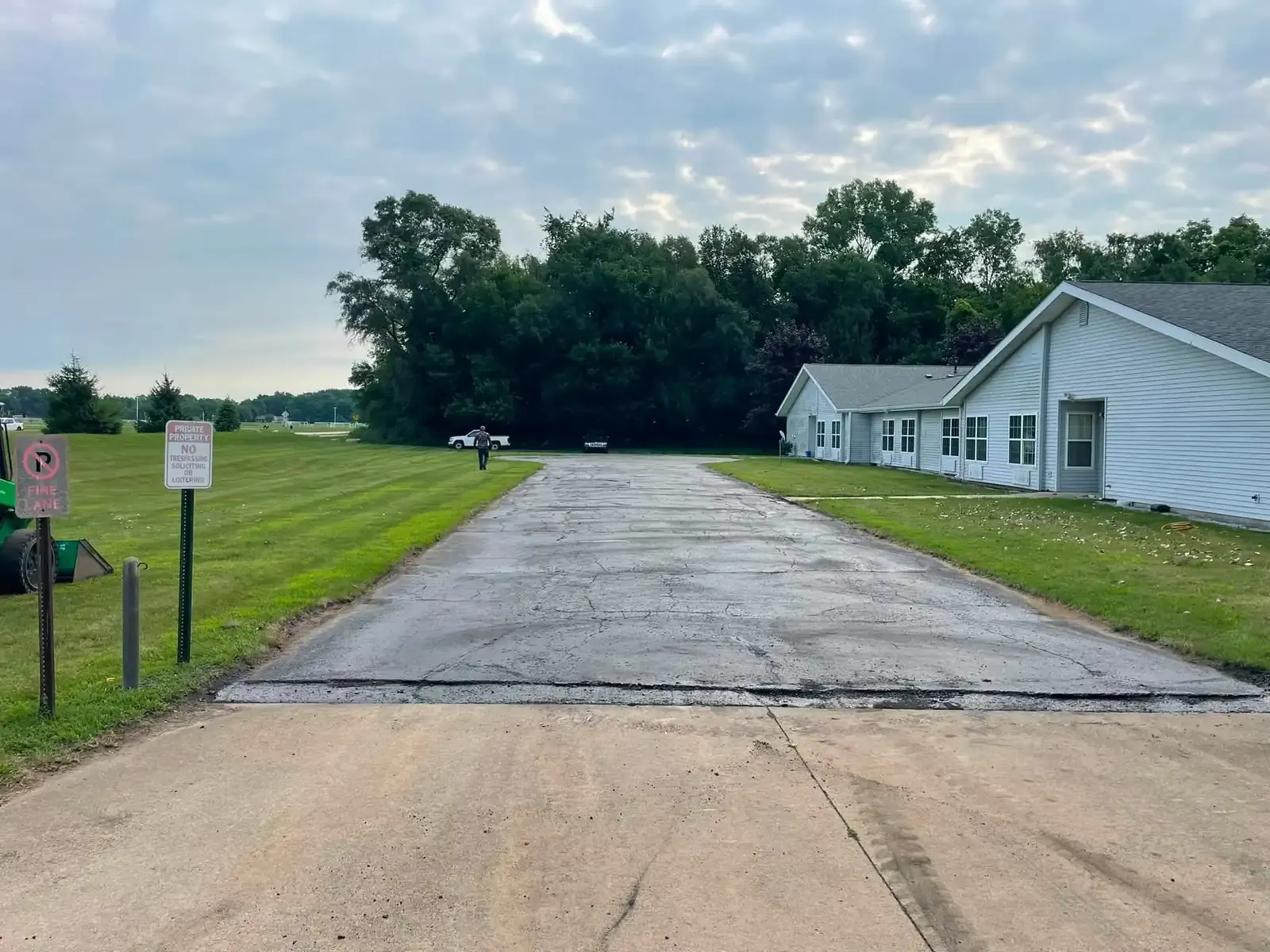
Asphalt cracks fall into a few common patterns, and each one hints at a different problem. Thin straight lines often come from joints and age, connected boxes from a surface that has hardened over time, and a web of small pieces (alligator cracking) from trouble below the surface. If you own a driveway or parking lot in Indiana, sorting your cracks into these groups can help you consider whether asphalt crack repairs may be suitable or the pavement needs a closer look.
What common asphalt crack patterns can indicate
A pattern gives you a lead, not a verdict. The same crack shape can have more than one cause, so use the table below as a starting point and confirm with a contractor when the damage is widespread.
| Pattern | What it looks like | What it often points to |
|---|---|---|
| Long, narrow cracks | Single lines running along or across the pavement | A paving joint (where two passes of asphalt meet) or normal aging of the surface |
| Block cracks | Connected rectangles or squares | Asphalt binder (the glue that holds the stone together) stiffening with age and temperature swings |
| Alligator cracks | A network of small interlocking pieces | Stress on the base, the stone layer under the asphalt, or repeated loading |
| Edge cracks | Cracks running parallel to the pavement edge | Stress near the edge, such as weak support or water getting in along the border |
Edge cracks are a good example of why pattern alone is not enough. Two drives can show the same edge crack for different reasons, and looking at drainage, edge support and the condition of the surface around it can help identify possible causes.
When a crack may signal deeper pavement damage
An open crack in an otherwise firm surface may still need assessment to determine whether the damage extends below the surface. Trouble starts when the pavement around the crack changes. Watch for these signs:
- Cracks that keep widening from one inspection to the next
- Loose or crumbling edges along a crack
- Patches that have been repaired more than once and failed again
- Spots that feel soft or spongy underfoot
Alligator cracking and potholes that keep returning deserve extra attention. They often mean the damage reaches below the surface, and filling the visible gap will not fix a weak base. Sealing over that kind of area can hide the problem for a while without solving it.
Water is useful evidence too. If puddles collect near a damaged area after rain, note where. Standing water can enter open cracks and may weaken the base, so a drainage issue can be the real cause of a repair that keeps failing.
What Indiana weather means for open cracks
Indiana winters bring snow and freeze-thaw cycles, where daytime melt is followed by overnight freezing. Water that gets into an open crack expands as it freezes and pushes the edges apart. Each cycle can widen the crack a little and loosen the pavement around it, which can contribute to pothole formation.
That is why late summer and fall are the time to look. October and November conditions vary from year to year, and crack repair and sealcoating depend on suitable weather and dry pavement, so waiting until the first hard freeze can leave you without a workable window.
Checking your property before winter
The same advice applies whether your pavement is in Elkhart, Goshen, Bristol or Middlebury. Walk the drive or lot and look at the cracks while the weather is still dry. If your yard is clay or your lot holds water after storms, pay extra attention to cracks near low spots and edges, because those areas tend to take on the most moisture.
What to check before choosing a repair
A few minutes of notes make any estimate more useful. Before you call anyone, work through this list:
- Mark where each crack starts and ends with chalk or tape, and take a photo for comparison later.
- Note whether it is widening, holding water or showing loose edges.
- Count how many areas have been patched before and which ones keep failing.
- Check how much of the surface is affected: a few isolated cracks, or a pattern across a large area.
Those answers point toward the right fix. Isolated, stable cracks in firm pavement are often candidates for crack filling, followed by asphalt sealcoating to slow further wear. Widespread cracking across an aging surface may call for asphalt resurfacing, and soft or sunken areas may need a deeper repair first. Have a contractor assess widespread or recurring damage before you decide, since a surface fix over a failing base rarely lasts.
We offer a free estimate.
Common questions
What causes block cracks in asphalt?
Block cracks usually develop as the asphalt binder ages and stiffens, then shrinks and expands with temperature swings. Because they tend to cover a wide area, they often show up on pavement that has seen many seasons of sun and cold.
Are alligator cracks in an asphalt driveway a surface problem?
Often they are not. A web of small interlocking pieces commonly points to stress on the base under the asphalt, so sealing the cracks alone may not solve it. Have the area assessed before choosing between a repair and resurfacing.
When should I repair asphalt cracks before winter?
Aim for dry weather in September or October, before nights stay below freezing. Crack repair needs clean, dry pavement, and conditions in October and November can vary, so earlier gives you more chances to find a good window.
Areas we serve
Our services
Have a question about your project? Call (574) 336-3628